

Wearable tech devices are moving from “cool gadgets” to everyday tools, and wearable tech devices sit closer to your eyes than almost any other screen. Smart glasses, virtual reality headsets, and emerging smart contact lenses all change how your eyes focus, how often you blink, and how you hold your head and neck. For most healthy people, responsible use does not seem to cause permanent damage. However, these devices can still spark eye strain, dry eye symptoms, headaches, and neck or shoulder discomfort, especially with poor fit or extended sessions.
In this guide, the doctors at West Texas Eye Associates explain how standard wearable tech devices interact with your visual system, what we know so far about smart contact lenses, who should be extra careful, and simple habits you can use to stay comfortable.
What Counts as “Wearable Tech” for Your Eyes
When eye doctors talk about wearable tech devices, they are usually thinking about electronics that sit on or very close to your eyes, including:
- Smart glasses and augmented reality (AR) glasses
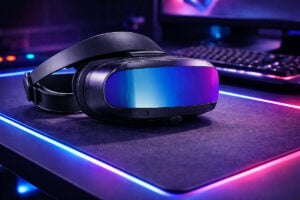
- Virtual reality (VR) and mixed reality headsets
- Experimental smart contact lenses designed to monitor health or project information

All of these devices:
- Keep your eyes working at a close range
- Expose you to bright, detailed displays
- Encourage long stretches of uninterrupted work
That combination can lead to digital eye strain, a group of symptoms that may include:
- Tired, heavy, or sore eyes
- Burning or gritty sensation
- Blurred or fluctuating vision
- Headaches
- Neck or shoulder tightness
The goal is not to give up new technology. Instead, it is to understand how wearable tech devices challenge your visual system so you can set realistic limits and support your eyes.
Smart Glasses and Headsets: Why Fit and Alignment Matter
Smart glasses and headsets do more than sit on your face. The way they line up with your eyes and how they rest on your head can change how hard your eyes and neck have to work.
If the optical centers of each display are not aligned with your pupils, your eyes must constantly adjust focus and alignment to keep the image clear. Over time, that extra effort can contribute to: 
- Eye strain and visual fatigue
- A “pulling” sensation around the eyes
- Headaches during or after use
- Neck and shoulder pain as you tilt or crane your head to see better
Headsets add weight to the equation. Loose straps or a headset that rides low can push you into a forward-head posture, similar to a poorly positioned computer monitor.
A better approach:
- Adjust nose pieces, arms, and straps so the device sits level, not tilted
- Use interpupillary distance (IPD) settings when your device offers them
- Check in with how your neck and shoulders feel, and reset your posture regularly
With wearable tech devices, a proper fit is part of eye protection, not just about comfort.
VR and Mixed Reality: Comfort, Symptoms, and Safety
VR and mixed reality headsets are now standard for gaming, remote meetings, training, and more. Naturally, patients ask whether extended use is “bad” for their eyes. 
What current evidence suggests:
- VR and mixed reality can trigger temporary symptoms such as eye strain, light sensitivity, headaches, or motion sickness, especially during long sessions.
- These symptoms usually improve with rest, but they indicate that your eyes and brain are working hard to process visual input.
- Children, people with a history of eye muscle problems, and people who already struggle with headaches may feel uncomfortable sooner and should use shorter sessions.
One unique factor is the mismatch between focus and depth. Your eyes focus on the screen at a fixed distance in the headset, while the virtual environment simulates objects that appear closer or farther away. That mismatch can add to fatigue for some users.
On the positive side, VR is being used in medical education and specific vision therapy scenarios. The technology itself is not automatically harmful. What matters is:
- Fit and alignment
- Session length
- How your eyes and body feel during and after use
Smart Contact Lenses: Early Promise, Ongoing Questions
Smart contact lenses are still in development, but they are a significant topic in wearable tech conversations. Research teams are exploring lenses that could: 
- Track intraocular pressure more continuously in glaucoma
- Measure biomarkers such as glucose in the tear film
- Display simple augmented reality data in front of your eye
To do that, the lenses may incorporate sensors, antennas, or minimal electronics into the lens material. That raises some important questions for long-term eye health:
Oxygen delivery to the cornea
Any contact lens reduces the amount of oxygen reaching the cornea compared to no lens. Thicker lenses or designs that add components can restrict oxygen further if the material is not carefully engineered. Chronic low oxygen can increase the risk of corneal swelling and other complications.
Mechanical stress on the eye surface
More thickness or stiffness can change how the lens moves with each blink. That may create friction or pressure points, especially if the fit is not ideal.
Long-term behavior in the eye
Smart lenses may use wireless power, embedded electronics, or specialized light sources. Researchers still need long-term data on how these features behave with daily use over many years.
For now, smart contact lenses remain experimental. Long-term safety studies are essential before they become part of routine, everyday care. You should never purchase “smart” or novelty contact lenses without a prescription and a proper fitting from an eye doctor.
Who Should Be Extra Careful With Wearable Tech Devices
Anyone can develop digital eye strain or neck pain from heavy wearable use, but some people need to be especially mindful, including: 
- Children and teens who spend long stretches in virtual environments
- People who already live with dry eye or ocular surface disease
- Patients with a history of eye muscle imbalance, amblyopia (“lazy eye”), or binocular vision problems
- People who have had corneal surgery, such as LASIK or corneal transplants
- Patients with glaucoma or any condition where eye pressure matters
- Anyone who gets frequent headaches, migraines, or chronic neck and shoulder pain
If you fall into one of these groups, it is essential to mention your device use at your next eye exam.
At West Texas Eye Associates, your doctor can:
- Review how often and how long you use wearable tech devices
- Check your prescription and focusing system
- Screen for dry eye or surface irritation
- Recommend specific adjustments to session length, fit, or environment
Everyday Habits to Reduce Eye Strain From Wearable Tech Devices
You do not have to give up your devices to protect your eyes. Small, consistent changes go a long way.
-
Treat fit like part of your prescription
Take time to adjust straps, nose pads, and arm length so smart glasses and headsets sit level and stable. Use IPD settings when available to align the optics with your pupils, and avoid “perching” the device too high or low on your nose.
-
Break up long sessions
Long, uninterrupted sessions increase the likelihood of symptoms. Try shorter blocks with built-in breaks, especially when you first start using a new device. Many users feel better with several short sessions instead of one long one.
-
Follow a “look away” routine
Give your focusing system a break by looking at something across the room or outside for at least twenty seconds between tasks. That quick reset can ease strain on your eye muscles.
-
Support your tear film
Most people blink less when they focus on screens or immersive content. That can dry out the eye’s surface. Make a point to blink fully between tasks, and ask your doctor whether lubricating drops would help if you already struggle with dryness.
-
Adjust brightness and text size
Very bright displays in a dark room can strain your eyes. Dimming the display a bit and enlarging text or user interface elements can make viewing more comfortable.
-
Pay attention to warning signs
Burning, pressure around the eyes, headaches, dizziness, or neck and shoulder tightness are signals to stop and reset. When symptoms keep coming back despite adjustments, it is time to have your eyes checked.
FAQ: Wearable Tech Devices and Your Vision
Are wearable tech devices like smart glasses and VR headsets bad for my eyes?
For most healthy users, current evidence suggests that smart glasses and VR or mixed reality headsets do not cause permanent eye damage when used responsibly. However, they can increase visual demand and lead to temporary digital eye strain, dry eye symptoms, or headaches, especially during long sessions or when the fit is poor.
Can wearable tech devices harm children’s vision in the long term?
We still need more long-term data, particularly for younger users. In general, it is wise to limit continuous use, build in regular breaks, and balance screen time with outdoor activities. Children with eye alignment issues or amblyopia should be monitored closely and guided by their eye doctor.
Are smart contact lenses safe to use?
Most smart contact lenses are still in research or controlled trials, not in everyday consumer use. Early designs raise reasonable concerns about oxygen delivery, mechanical stress, and long-term safety. Until more data are available, any contact lens, bright or otherwise, should only be worn under the guidance of an eye care professional.
Do I need a special exam if I use wearables a lot?
You do not need a separate exam, but you should tell your eye doctor how often and for how long you use wearable tech devices, and any symptoms you notice. That information helps your doctor fine-tune your prescription and recommend strategies to reduce strain.
What if I already have dry eye or another eye condition?
If you live with dry eye, glaucoma, keratoconus, or have had corneal surgery, you should be especially cautious with wearable tech devices. These conditions can change how your eyes respond to extended close work or contact lenses. Your doctor may suggest shorter sessions, specific lubricating drops, or modifications to your device use.
Protect Your Eyes While You Enjoy Wearable Tech Devices
Wearable tech devices are changing how we work, learn, relax, and connect with other people. They offer real benefits, but they also place extra strain on your eyes, neck, and shoulders compared with traditional glasses or flat-screen devices. With good fit, smart limits, and regular eye care, you can enjoy your favorite technology without guessing about its impact on your vision.
If you are noticing headaches, eye fatigue, dry eye symptoms, or neck pain after using wearable tech devices, or if you simply want a plan before you or your family uses them more often, the team at West Texas Eye Associates is here to help. Schedule a comprehensive eye exam, bring your questions about your devices, and let us work with you to keep your vision clear and comfortable in a digital world.