Microinvasive Glaucoma Surgery (MIGS) at West Texas Eye Associates
Learn about this interventional glaucoma option in West Texas: Microinvasive Glaucoma Surgery (MIGS) is safe and designed to provide lasting pressure control from trusted ophthalmology specialists.
What Is MIGS?
Microinvasive Glaucoma Surgery (MIGS) lowers eye pressure with tiny devices and precise techniques that help the eye drain fluid more effectively. Unlike older operations that require large incisions, MIGS uses microscopic tools through small openings, which supports quicker recovery and long-term control for many patients with mild to moderate open-angle glaucoma.
MIGS is a family of minimally invasive procedures that target the eye’s drainage system or fluid production to reduce intraocular pressure. Results can last for years with proper follow-up. Many patients choose MIGS to reduce medication burden, shorten recovery time compared with older surgeries, and maintain an active daily life.
How MIGS Surgery Works
MIGS is not one surgery; it is a set of techniques your surgeon selects based on your eyes and pressure goals.
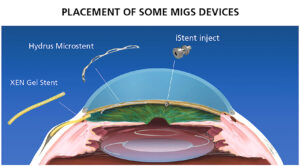
Trabecular bypass (for example, iStent, Hydrus Microstent): creates tiny openings in the trabecular meshwork to improve outflow.
Canaloplasty: uses a microcatheter to expand Schlemm’s canal, supporting the eye’s natural drainage.
Suprachoroidal procedures involve routing fluid into the suprachoroidal space to create a new pathway.
Cyclophotocoagulation: targets the ciliary body to reduce fluid production.
Most MIGS procedures are completed in under an hour. Many are performed simultaneously with cataract surgery, allowing patients to improve their vision and control glaucoma in a single operation.
Why Consider MIGS?
Glaucoma is a leading cause of vision loss, and early intervention matters. MIGS offers a high safety profile and effective pressure control for the right candidates. Potential advantages include fewer medications, faster functional recovery, and durable results with regular monitoring.
How MIGS Is Changing Glaucoma Care
For decades, glaucoma surgery meant choosing between medications, laser treatments, or primary operations like trabeculectomy and tube-shunt implants (Ahmed, Baerveldt). These traditional surgeries are effective but come with a higher risk of complications and longer healing times.
MIGS bridges the gap — offering meaningful pressure reduction with far fewer risks. Because the procedures are less invasive, patients often experience:
That makes MIGS an appealing option for people who want to reduce their dependence on daily glaucoma drops or those who are early in their glaucoma journey.
Insurance and Coverage
Coverage for Microinvasive Glaucoma Surgery (MIGS) varies by plan. Medicare and many private insurers cover MIGS when medically necessary. Some plans reimburse when MIGS is combined with cataract surgery, others cover MIGS as a stand-alone procedure. Patients should confirm pre-authorization and out-of-pocket details with both their surgeon and insurer. You can review our accepted insurances here.
Are You a Candidate for MIGS?
You may be a good candidate if you have mild to moderate open-angle glaucoma, need additional pressure reduction, are planning cataract surgery, experience side effects from drops, or want a safer alternative to traditional filtering surgery. Your West Texas Eye Associates surgeon will review your eye health, pressure targets, and goals to determine the most suitable approach.
Choosing the Right Ophthalmology Specialist
Outcomes improve with experience. West Texas Eye Associates provides fellowship-trained surgeons, modern MIGS options, and coordinated follow-up. Ask about the surgeon’s experience, which MIGS options they offer, expected durability, and alternatives such as laser treatments or traditional surgery.
Safety and Side Effects
Most patients tolerate MIGS well. Short-term effects can include mild irritation, light sensitivity, temporary blurring, or a short-term pressure change, which your doctor will monitor and treat if needed. Serious complications are less common than with older filtering surgeries. For an authoritative overview, read here.
Frequently Asked Questions
Will MIGS cure my glaucoma? No. MIGS slows progression by lowering eye pressure. You will still need regular exams and long-term monitoring.
How long do MIGS implants last? Many patients experience lasting pressure control. Durability depends on the device and your individual response. Your surgeon will review expectations.
What is the success rate of MIGS? Success varies by technique and diagnosis. Your doctor will match the procedure to your pressure goals and review outcomes for your situation.
How does MIGS compare with laser treatments? Laser options, such as SLT, can be used before or after MIGS. Your surgeon will explain the sequence and how each method fits your care plan.
Regular eye exams can help detect changes in your vision and signs of eye disease before they begin affecting your everyday life. Schedule your appointment online or call (806) 792-5900 to take the next step in preserving your sight and maintaining healthy vision.
To provide the best experiences, we use technologies like cookies to store and/or access device information. Consenting to these technologies will allow us to process data such as browsing behavior or unique IDs on this site. Not consenting or withdrawing consent, may adversely affect certain features and functions.
Functional
Always active
The technical storage or access is strictly necessary for the legitimate purpose of enabling the use of a specific service explicitly requested by the subscriber or user, or for the sole purpose of carrying out the transmission of a communication over an electronic communications network.
Preferences
The technical storage or access is necessary for the legitimate purpose of storing preferences that are not requested by the subscriber or user.
Statistics
The technical storage or access that is used exclusively for statistical purposes.The technical storage or access that is used exclusively for anonymous statistical purposes. Without a subpoena, voluntary compliance on the part of your Internet Service Provider, or additional records from a third party, information stored or retrieved for this purpose alone cannot usually be used to identify you.
Marketing
The technical storage or access is required to create user profiles to send advertising, or to track the user on a website or across several websites for similar marketing purposes.