Ectropion and Entropion Repair

Dr. Coby Ray evaluates and treats eyelid malposition, including entropion repair and ectropion repair, for patients in Lubbock and the surrounding West Texas region.

Request Consultation

Entropion vs Ectropion: Is Your Eyelid Turning In or Out?

Play Video
Video thumbnail

Your eyelids do more than frame your eyes. They protect the surface of the eye, spread healthy tears, support comfortable blinking, and help drain tears properly. When the eyelid turns inward or outward, it can create more than a cosmetic concern. It can cause redness, irritation, tearing, dryness, increased risk of infection, and corneal damage.

Two common eyelid conditions that can affect comfort and vision are entropion and ectropion. While the names sound similar, they describe opposite eyelid problems.

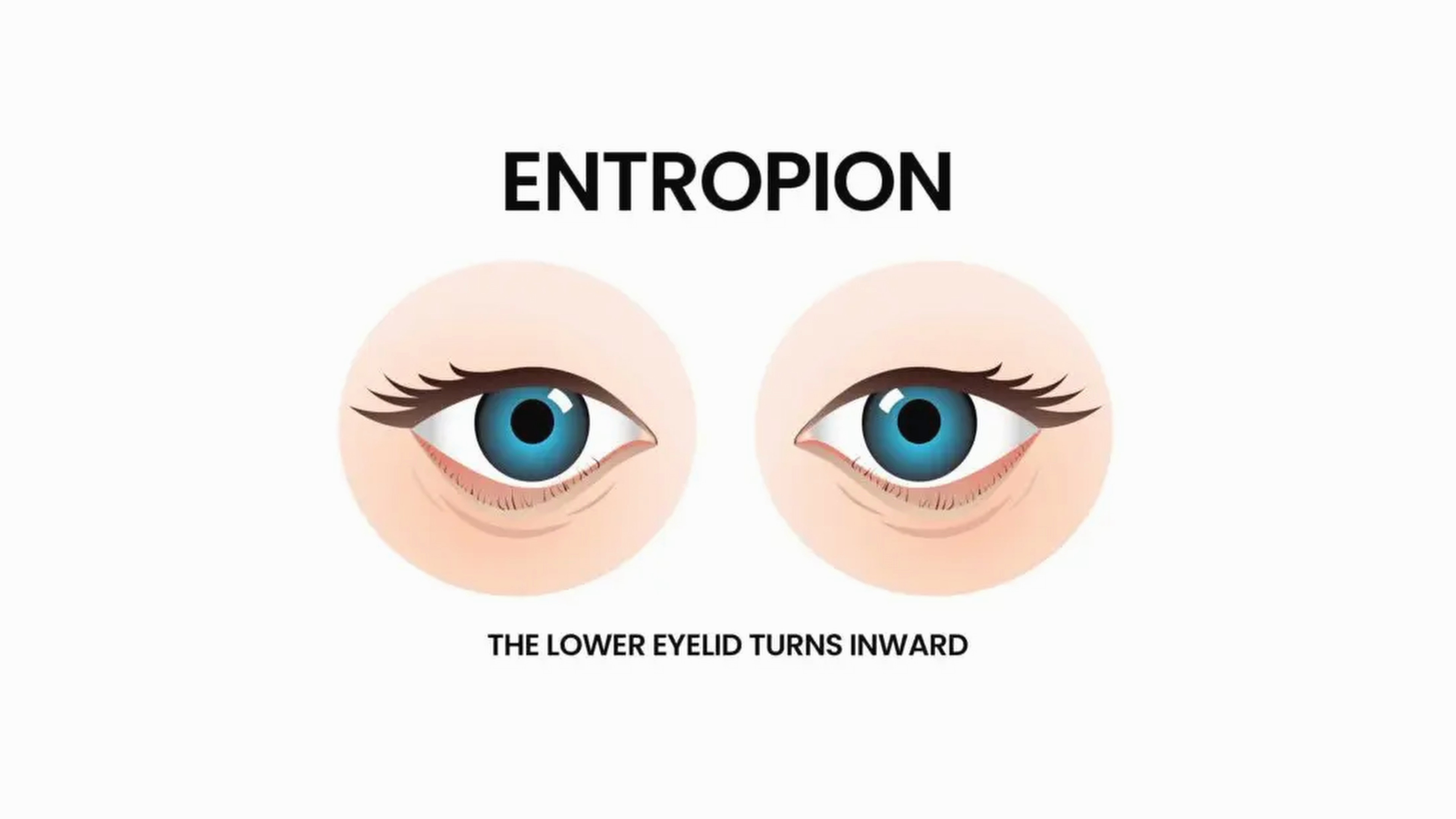
Entropion is when the eyelid turns inward toward the eye. This inward rotation can cause the eyelashes and eyelid skin to rub against the surface of the eye.

Ectropion is when the eyelid turns outward or sags away from the eye. This can expose the inner eyelid and prevent tears from draining correctly.

Causes of Entropion and Ectropion

Eyelid Laxity

Aging

Eye rubbing

Changes in facial structure over time

Previous eyelid surgery or trauma

Skin conditions affecting the eyelids

Facial nerve weakness or paralysis

Prior injury, scarring or burns

Facial nerve weakness or paralysis

Symptoms of Entropion

Entropion can be very uncomfortable because the lashes and eyelid skin may rub directly against the eye. Patients often say it feels like something is constantly in the eye.

Symptoms may include:

  • Eye irritation
  • Redness
  • Scratchy or gritty feeling
  • Tearing
  • Mucus discharge
  • Light sensitivity
  • Blurred vision
  • Eye pain
  • Eyelashes rubbing the eye
  • Recurrent corneal irritation
  • Difficulty keeping the eye comfortable


Symptoms of Ectropion

Ectropion often causes a mix of watery eyes and dryness. This can feel confusing because the eye may water constantly, yet still feel dry, irritated, or exposed. When the eyelid pulls away from the eye, the tear drainage opening may no longer sit in the tear film. This means tears cannot drain normally, so they spill over the eyelid instead.

Symptoms may include:

  • Eyelid turning outward
  • Excessive tearing
  • Red or irritated eyes
  • Dryness
  • Burning
  • Scratchiness
  • Crusting or discharge
  • Visible sagging of the lower eyelid
  • Sensitivity to wind
  • Trouble closing the eye fully
  • Recurrent inflammation

Eyelid Malposition Should Not Be Ignored

Close-up of an older patient’s eyes showing lower eyelid malposition with redness and irritation around one eye.

Entropion and ectropion are not just appearance issues. They can affect eye health.

When the eyelid does not sit properly, the cornea can become dry, exposed, scratched, or irritated. Over time, untreated eyelid malposition may increase the risk of corneal abrasions, ulcers, infections, scarring, and vision problems.

Entropion can be especially irritating because the eyelashes may constantly rub the eye. Ectropion can expose the eye and prevent normal tear protection. Both conditions can become more serious if the cornea is repeatedly damaged.

If you have an eyelid turning inward or outward, chronic tearing, redness, or ongoing irritation, an evaluation can help determine whether surgical repair of the eyelid may be needed.

How Dr. Ray Evaluates Entropion and Ectropion

During an eyelid evaluation, Dr. Coby Ray may examine the position, tone, and movement of the eyelids. He may also assess the tear film, the cornea, the eyelid margin, and the degree of laxity. The goal is to identify the cause of the problem and recommend the most appropriate repair.

The exam may include checking:

  • Whether the eyelid turns inward or outward
  • How loose the lower eyelid is
  • Whether the lashes touch the eye
  • Whether the cornea shows signs of irritation
  • Whether the eye is drying out
  • Whether tear drainage is affected
  • Whether one or both eyes are involved
  • Whether scarring, trauma, or facial nerve weakness is contributing
Dr. Ray discussing lower eyelid blepharoplasty with a patient during an in-office consultation, explaining treatment options and expected results.

Entropion Repair Surgery

Entropion surgery is designed to restore the eyelid to a healthier position so the lashes no longer rub against the eye. The exact technique depends on the cause and severity of the entropion.

For many patients, entropion repair surgery involves tightening and repositioning the lower eyelid. If the lid has become lax, Dr. Ray may repair or reinforce the supporting structures so the eyelid rests properly against the eye again.

In some cases, sutures or tissue adjustments may be used to rotate the eyelid outward into a normal position. If scarring is involved, additional reconstruction may be needed.

The goal of entropion repair is to:

  1. Stop the eyelashes from rubbing the eye
  2. Protect the cornea
  3. Improve comfort
  4. Reduce tearing and irritation
  5. Restore a more natural eyelid position
  6. Lower the risk of future corneal damage


Ectropion Repair Surgery

Ectropion surgery is designed to correct an eyelid that turns outward or sags away from the eye. For many patients, this involves tightening the lower eyelid and restoring the support that has weakened over time.

Dr. Ray may use a small incision near the outer corner of the eyelid to recreate or reinforce the ligament that supports the lower eyelid. By repositioning the eyelid closer to its natural position, the tear drainage system can function more effectively, and the eye surface can be better protected.

The goal of ectropion repair surgery is to:

  1. Correct the eyelid turning out
  2. Improve eyelid position
  3. Reduce tearing
  4. Protect the eye surface
  5. Decrease redness and irritation
  6. Improve comfort
  7. Help the eyelid close more naturally


Recovery After Entropion or Ectropion Repair

Recovery depends on the type of repair performed and your overall eye health. Many eyelid repairs are outpatient procedures, meaning patients typically return home the same day.

After surgery, patients may have temporary swelling, bruising, tightness, or mild discomfort around the eyelid. Dr. Ray may provide instructions for ointment, cold compresses, activity limits, and follow-up care.

Most patients notice improved eyelid position as healing progresses. The goal is to restore comfort, protect the eye, and reduce the irritation caused by eyelid malposition.

FAQ: Entropion and Ectropion Repair

Entropion is a condition where the eyelid turns inward toward the eye. This inward rotation may cause the eyelashes and eyelid skin to rub against the cornea, leading to irritation, redness, tearing, and discomfort.

Ectropion is a condition where the eyelid turns outward or pulls away from the eye. It most often affects the lower eyelid and can cause tearing, dryness, redness, irritation, and exposure of the inner eyelid.

The main difference is the direction of the eyelid. Entropion means the eyelid turns inward. Ectropion means the eyelid turns outward. Both conditions can irritate the eye and may require surgical repair.

Inversion of the eyelid edge is called entropion. It means the eyelid margin turns inward toward the eye, which can cause the lashes to rub against the eye surface.

Eyelid turning inward may be caused by age-related eyelid laxity, weakened eyelid support, scarring, muscle imbalance, previous trauma, or chronic eye irritation. In many cases, lower eyelid looseness allows the eyelid to rotate inward.

Eyelid turning out is often caused by lower eyelid laxity. Over time, the ligament and tissues that support the eyelid may loosen. Ectropion may also be related to facial nerve weakness, scarring, trauma, or prior surgery.

Entropion surgery is typically performed with anesthesia to keep the area comfortable. Patients may feel mild soreness, tightness, swelling, or bruising after the procedure, but discomfort is usually manageable with post-operative instructions.

During ectropion repair surgery, the lower eyelid is usually tightened and repositioned so it rests more naturally against the eye. In many cases, the supporting ligament near the outer corner of the eyelid is repaired or reinforced.

Yes. If entropion is left untreated, the lashes may repeatedly rub against the cornea. This can cause scratches, infections, scarring, and vision problems. An evaluation is important if you notice eyelid turning inward or lashes rubbing the eye.

Yes. Some patients have the condition in one eye, while others develop bilateral entropion or ectropion in both eyes. Dr. Ray can evaluate both eyelids and recommend the best repair plan.