A sustained-release, drop-free option for long-term eye pressure control
Glaucoma can feel overwhelming, especially when you are juggling multiple drops, side effects, and busy days. The iDose glaucoma implant gives our glaucoma specialists another way to lower pressure steadily, without relying only on your ability to remember bottles and schedules.
What is the iDose® TR Glaucoma Implant?
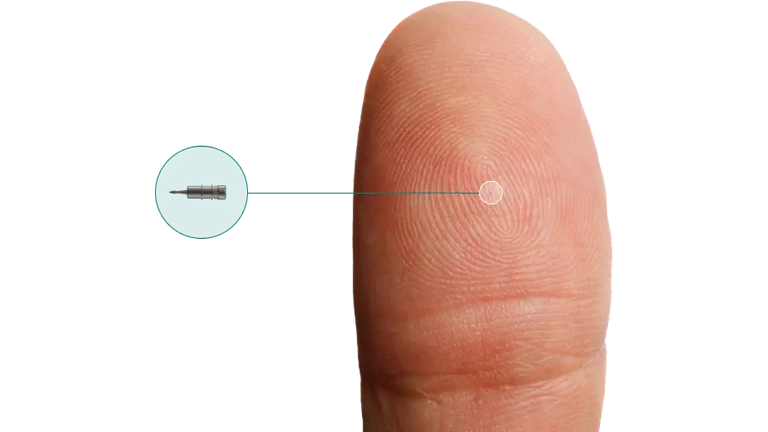
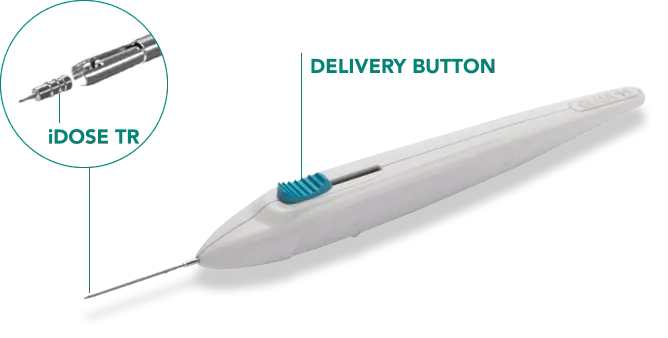
The iDose® TR travoprost intracameral implant is an FDA-approved, sustained-release device that is placed inside the eye during a brief procedure. Instead of placing travoprost on the surface as a drop, the implant delivers a controlled dose of the same type of medication directly where it works, inside the eye’s drainage system.
At West Texas Eye Associates, our glaucoma specialists use this technology to help patients with open-angle glaucoma or ocular hypertension maintain more stable eye pressure without the constant burden of strict drop schedules.
Play Video
Who is a Good Candidate at West Texas Eye Associates?
You may benefit from the iDose glaucoma implant if you:
Have open-angle glaucoma or ocular hypertension
Struggle with dropping adherence or often forget daily doses
Have difficulty with arthritis, tremors, or dexterity that makes dropping use hard
Experience redness or irritation from traditional glaucoma drops
Prefer a long-acting option that reduces daily tasks
Need steadier, more predictable pressure control over time
Our glaucoma specialists will review your optic nerve, eye pressure history, anatomy, and prior treatments to determine whether iDose® TR is the safest and most effective option for your long-term care plan.
How the iDose® TR procedure works
The iDose® TR procedure is minimally invasive and performed in a controlled outpatient setting. Most patients find the process straightforward and comfortable.
Here is what to expect:
Numbing drops are applied, so no needles are needed.
A micro incision is created at the edge of the cornea.
The tiny titanium implant is gently placed into the trabecular meshwork, the eye’s natural drainage channel.
The device begins releasing travoprost continuously over time.
Patients go home soon after the procedure and usually return to normal routines within a day or two. The implant is not visible in the mirror and cannot be felt once it is in place.
Why Patients in West Texas Choose the iDose® TR Glaucoma Implant
1
Drop freedom and daily convenience
For many people, the hardest part of glaucoma care is not the diagnosis; it is keeping up with drops. The iDose glaucoma implant can help by providing:
Relief from eye drop schedules
Fewer worries about forgetting doses
Less frustration with squeezing small bottles
A single long-acting solution that supports pressure stability
2
Fewer ocular surface side effects
Topical drops can cause redness, dryness, burning, and surface irritation, especially after years of use. Because the iDose glaucoma implant delivers medication inside the eye, it bypasses the surface entirely. This may reduce some of the ocular surface side effects that bother patients on traditional therapy.
3
Strong clinical outcomes
Clinical trials of iDose® TR have shown:
Significant reductions in intraocular pressure
Results that are comparable to, or better than, daily prostaglandin drops for many patients
Safe placement and durable performance over time
For patients who are frustrated with drops or worried about long-term adherence, the iDose glaucoma implant offers an evidence-based alternative.
Learn if you are a candidate for the iDose® TR Glaucoma Implant Today
Glaucoma care should support your life, not take it over. If you are tired of juggling drops, side effects, and constant reminders, the iDose glaucoma implant may offer a safer, steadier way to control eye pressure over time.
Clinical studies show that iDose® TR is generally well tolerated. As with any eye procedure, side effects are possible, but most are temporary and manageable. The most common effects reported in trials, typically in about 2 to 6 percent of patients, included:
Mild eye redness or irritation
Temporary eye pressure fluctuations
Dry eye symptoms
Iritis or inflammation
Subtle visual field changes
Your surgeon at West Texas Eye Associates will review your overall health, glaucoma status, and other eye conditions, then discuss risks, alternatives, and follow-up plans in detail during your glaucoma consultation.
How Long Does the iDose® TR Glaucoma Implant Work?
The iDose® TR device is designed as a long-duration therapy, with pressure-lowering effects expected to last up to three years.
Your personal results depend on factors such as:
Your specific glaucoma type
Your starting eye pressure
The health of your optic nerve
Any previous treatments or surgeries
Your provider will help you understand your target eye pressure and what success looks like in your case, then monitor you regularly after implantation.
How the iDose Glaucoma Implant Compares to Other Options
The iDose glaucoma implant sits in the middle of the glaucoma treatment spectrum. It can be combined with, or used alongside, other therapies.
Daily drops
Very effective when used as prescribed, yet adherence challenges are common in real life.
SLT laser
A drop sparing treatment that improves fluid drainage. Many patients choose SLT before or after iDose®.
Microinvasive glaucoma surgery (MIGS)
A surgical option often paired with cataract surgery to reduce pressure by enhancing outflow.
Traditional glaucoma surgery
Reserved for more advanced or high-risk cases that need major pressure reduction.
The iDose glaucoma implant gives West Texas Eye Associates patients a minimally invasive, sustained-release option when drops alone are not enough, but a larger surgery still feels like too big a step.
FAQ about the iDose Glaucoma Implant
Yes. iDose® TR is FDA approved for adults with open-angle glaucoma or ocular hypertension
Some patients can reduce or even eliminate topical drops after implantation, while others still need a simplified regimen. Your eye pressure response will guide the plan.
Per current FDA labeling, iDose® TR is not reimplanted into an eye that has already received it. Your glaucoma specialist will design a long-term strategy that may include other treatments in the future.
No. The device is microscopic and is not felt or seen once it is in place.
Most patients report only mild pressure or awareness during the procedure because numbing drops are used to keep the eye comfortable.
Ready to See if the iDose® TR Glaucoma Implant is Right for You?
Schedule an evaluation at West Texas Eye Associates to talk with a glaucoma specialist about whether the iDose glaucoma implant belongs in your treatment plan.
To provide the best experiences, we use technologies like cookies to store and/or access device information. Consenting to these technologies will allow us to process data such as browsing behavior or unique IDs on this site. Not consenting or withdrawing consent, may adversely affect certain features and functions.
Functional
Always active
The technical storage or access is strictly necessary for the legitimate purpose of enabling the use of a specific service explicitly requested by the subscriber or user, or for the sole purpose of carrying out the transmission of a communication over an electronic communications network.
Preferences
The technical storage or access is necessary for the legitimate purpose of storing preferences that are not requested by the subscriber or user.
Statistics
The technical storage or access that is used exclusively for statistical purposes.The technical storage or access that is used exclusively for anonymous statistical purposes. Without a subpoena, voluntary compliance on the part of your Internet Service Provider, or additional records from a third party, information stored or retrieved for this purpose alone cannot usually be used to identify you.
Marketing
The technical storage or access is required to create user profiles to send advertising, or to track the user on a website or across several websites for similar marketing purposes.